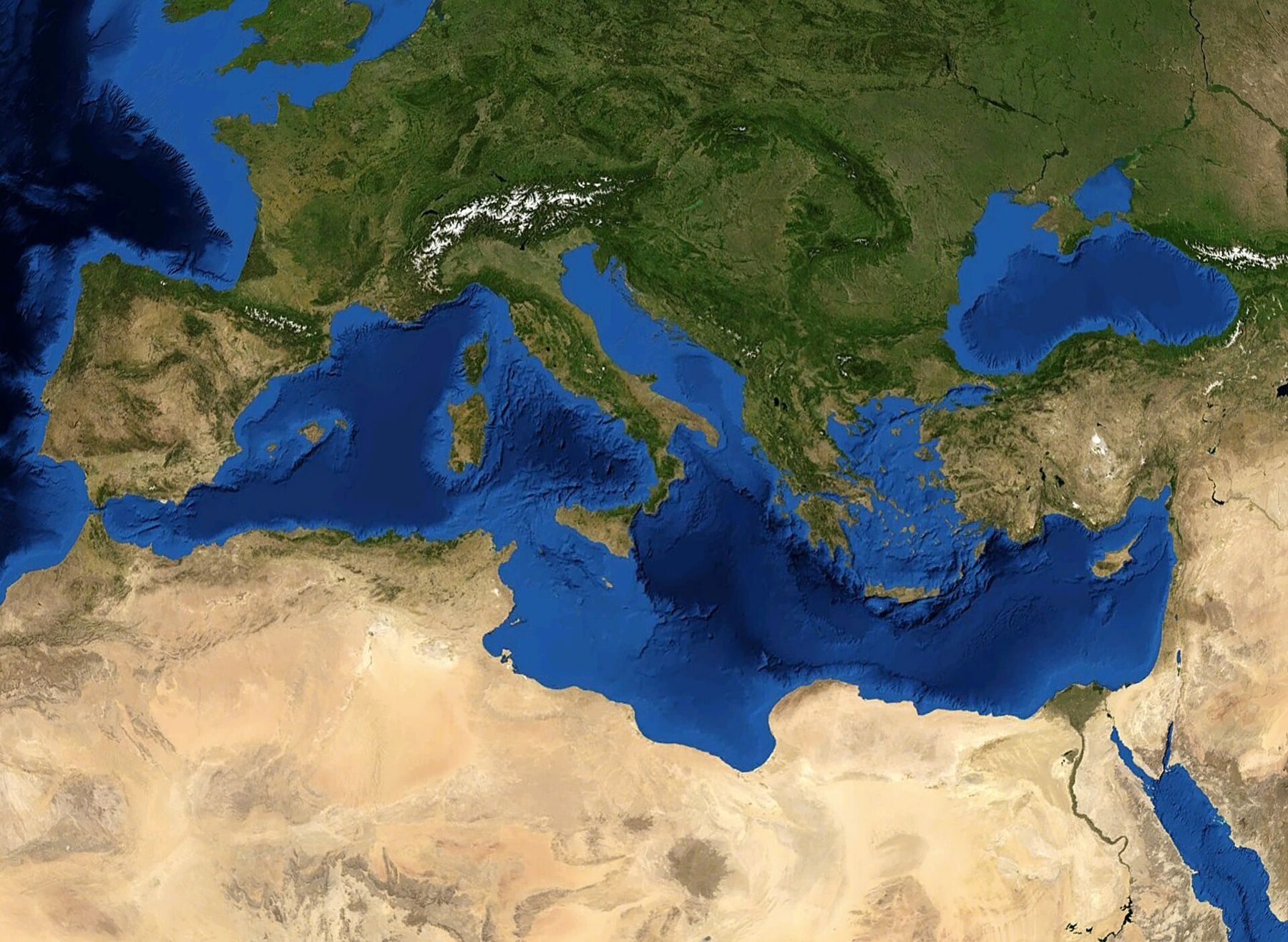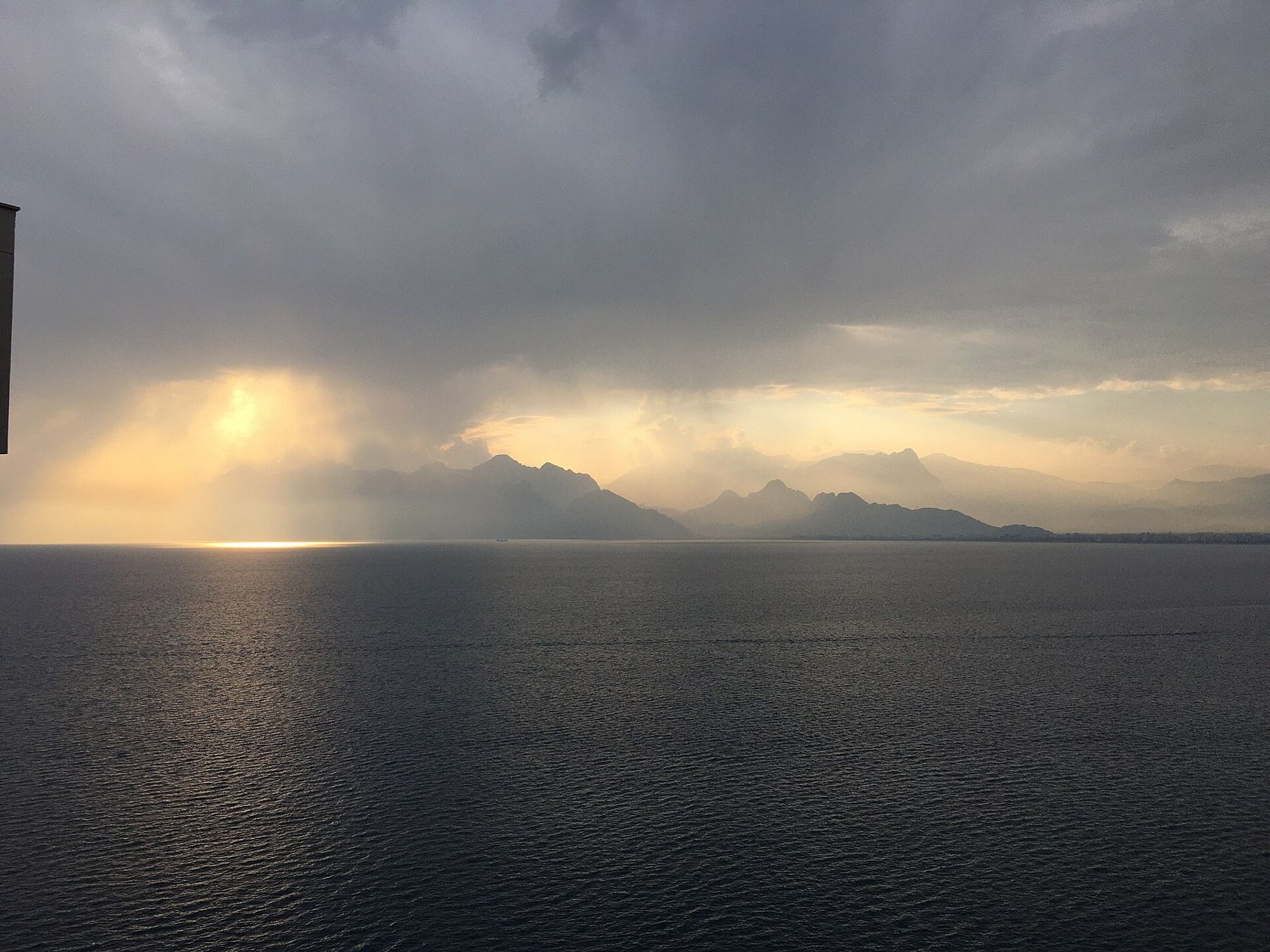
The sea along the Antalya coast never gets truly cold, and for a long stretch of the year it is simply warm. That is the short answer. The longer one is more interesting, because the water changes its character through the months: glassy and bracing in March, soft and inviting by June, almost too warm to cool you down in late August, and then slowly giving back its heat through a long, golden autumn.
This page sets out the typical pattern month by month for the whole coast, from the city beaches at Antalya west and south to Kaş. The figures are rounded ranges for the surface water on an ordinary day. Any single day can sit a degree or two either side, and the local details, a river here, a spring there, matter as much as the calendar.
The year at a glance
The table below gives the typical sea surface temperature for each month. Treat it as a guide to what the water usually feels like, not a forecast.
| Month | Typical sea temperature | What it feels like |
|---|---|---|
| January | 17–18°C | Cold for most, fine for winter swimmers |
| February | 16–17°C | The coolest stretch of the year |
| March | 16–17°C | Still cold, the air warming faster than the water |
| April | 17–19°C | Brisk short swims on sunny afternoons |
| May | 20–22°C | The season opens for most swimmers |
| June | 23–25°C | Comfortable, clear and fresh |
| July | 26–28°C | Warm all day |
| August | 27–29°C | The warmest month, little cooling effect |
| September | 26–28°C | Still warm, with fewer people |
| October | 23–25°C | Pleasant, cooling through the month |
| November | 20–22°C | Warmer than the air on many days |
| December | 18–19°C | Cool, for short swims in the sun |
Two things stand out. First, the sea lags behind the air. It is coldest in February and March, after the winter has done its work, and warmest in August, well after midsummer. Second, autumn is far kinder than spring. October water is typically several degrees warmer than April water, even though the two months can feel alike on land.
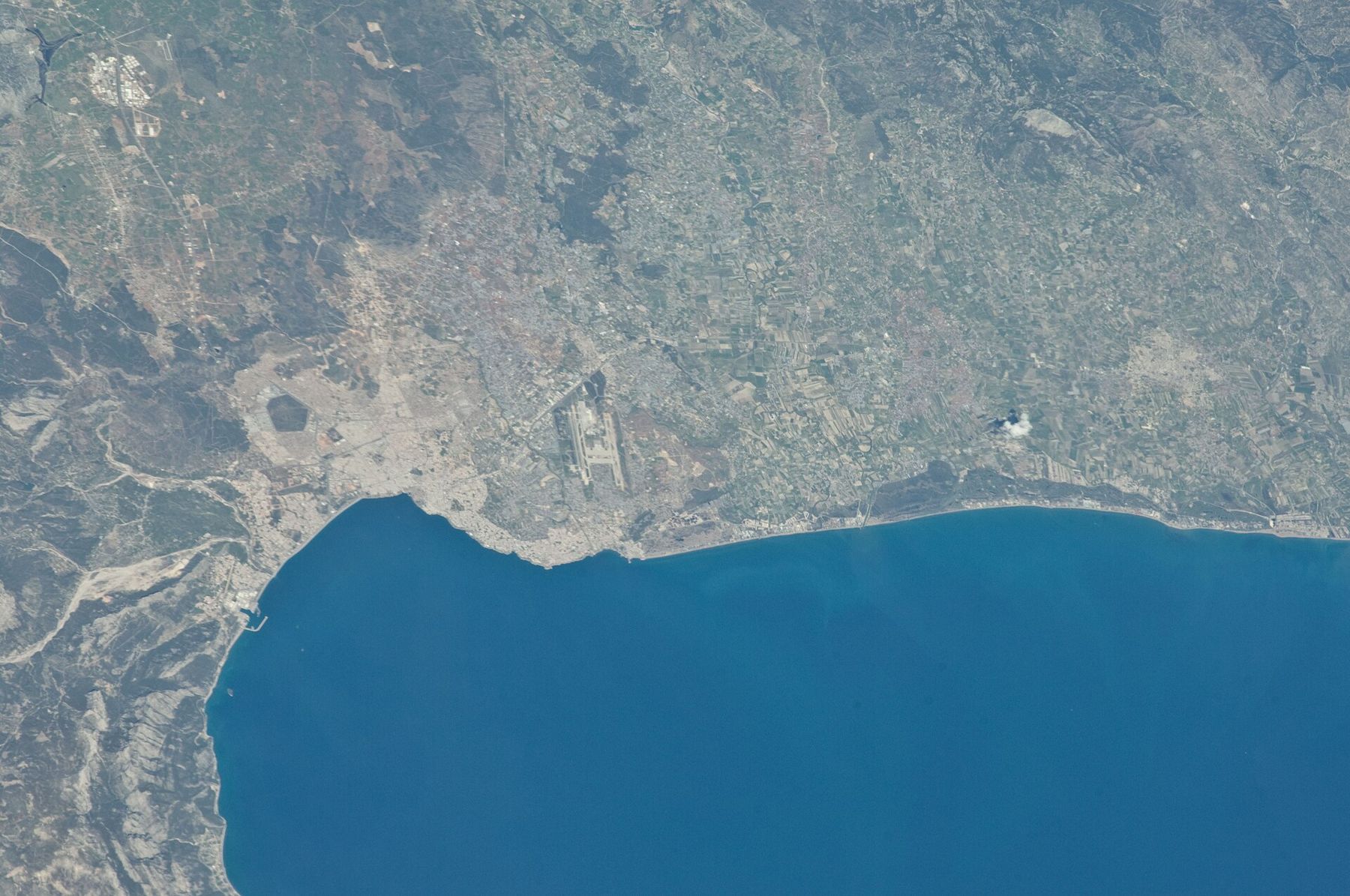
Spring: clear water, cold feet
From March into April the sun is already strong on the beach, and the water looks its most beautiful. With few boats out and little swell, it is often glass clear, and the light comes through it in pale green bands over the pebbles. It is also cold. At typical spring temperatures of roughly 16–19°C, most people manage a few minutes, gasp a little and come out glowing.
A thin wetsuit or a swimming top changes everything at this time of year, and so does choosing your hour. The middle of a sunny afternoon, after the shallows have had a few hours of sun, is the warmest moment of the day. Snow often lingers on the high peaks behind the coast into spring, and the cold meltwater that feeds the rivers keeps their mouths noticeably colder than the open beach.
May is the turning point. Typical temperatures of around 20–22°C open the season for most swimmers, and by the end of the month the water has lost its sharp edge.
Summer: the long warm months
June brings water of roughly 23–25°C, which many regular swimmers rate as the best of the year: warm enough to stay in, still fresh enough to wake you up. July typically climbs to 26–28°C, and August often peaks at 27–29°C. At that point the sea is warm from the first swim of the morning to the last of the evening, and it no longer cools you much on a hot day.
In high summer the early hours are the time for the clearest, calmest water. Afternoon breezes are common, and they can stir up the surface and the sand on open beaches. The guide to wind, waves and flags covers what that means for swimming.
The sea lags behind the air, so the warmest water comes after the hottest days, not with them.
The sea lags behind the air, so the warmest water comes after the hottest days, not with them. That is why September, typically still 26–28°C, feels like a gift: the heat on land eases, the beaches thin out, and the water is as warm as it was in July.
Autumn and winter: the slow cool-down
October usually holds around 23–25°C, cooling through the month. November typically brings 20–22°C, and on many days the sea is warmer than the air above it, which makes getting out the hard part. By December the water has dropped to around 18–19°C, and January sits at roughly 17–18°C before the low point in February.
Winter swimming here is a small but steady habit. On calm, sunny days you will see a few regulars at the city beaches swimming short lengths along the shore. If you join them, keep the swim short, stay close to the beach and have warm clothes ready.
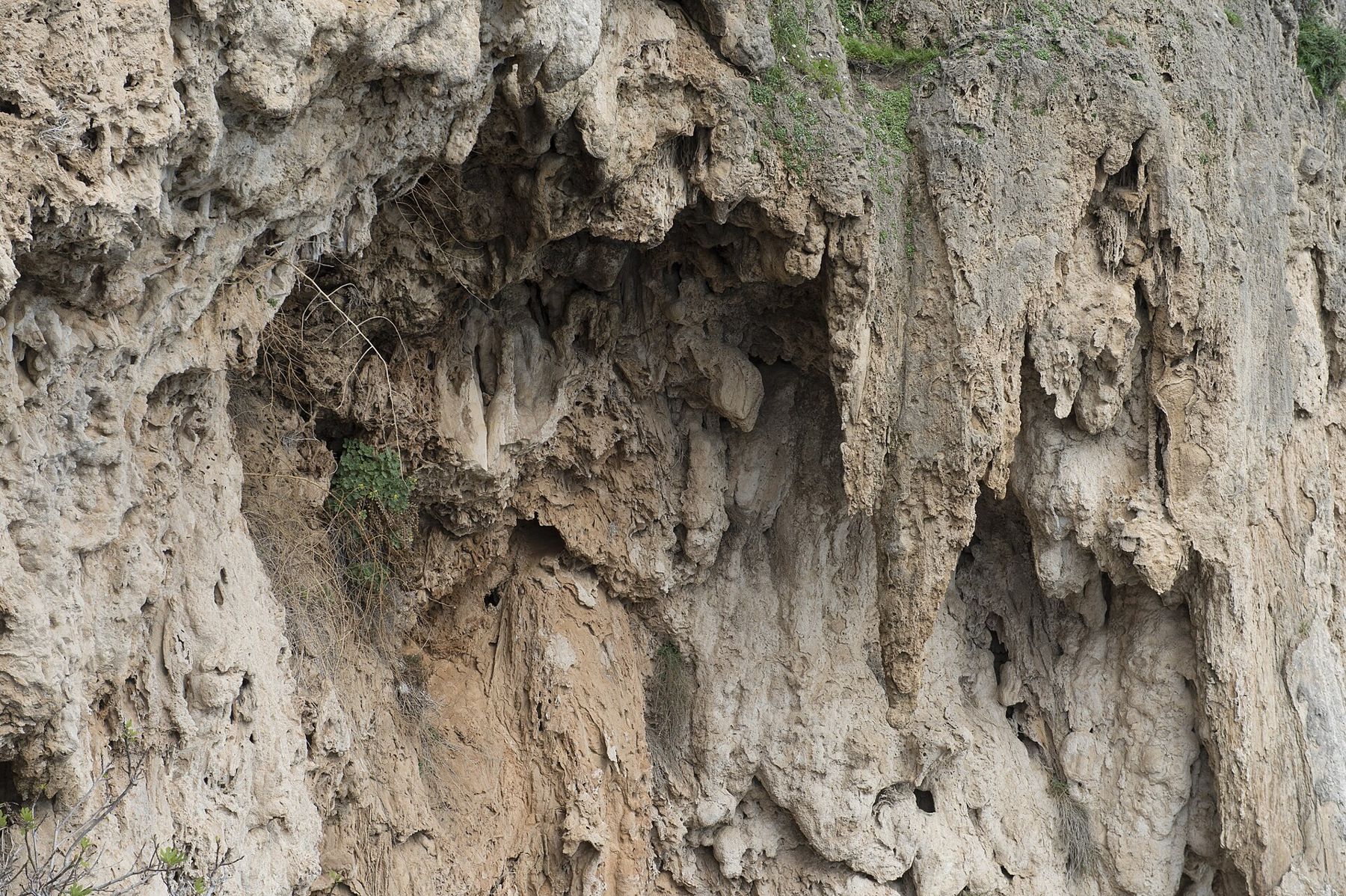
Why some water is colder
The table describes the open coast. Several things push a given spot colder or warmer than that pattern.
River mouths
Rivers coming down from the mountains carry cold water into the sea, and it spreads out along the surface near the shore. At Göynük, where the canyon river meets the beach, and at Olympos at the river mouth, you can swim from warm sea into a cold layer within a few strokes. After rain or in spring, river water can also be cloudy.
Springs in the coves
Much of this coast is limestone, and fresh water travels through it underground. In some rocky coves cold springs seep out below the surface, leaving patches of water that feel a few degrees colder and sometimes look slightly blurred where fresh and salt water mix. On rocky stretches further along the coast, such as the swimming rocks around Kaş, you may meet these cold patches.
Shallow bays
Shallow, sheltered water warms first. Wide sandy shores that shelve gently, like the sand at Lara east of the city, heat up faster in spring and on still afternoons than deep water off pebbles or rock. Steep pebble beaches drop into deeper, cooler water within a few metres.
Choosing your month
For warm water with fewer people, aim for June or September. For the warmest sea of all, August, accepting the heat and the crowds. For a long, gentle season either side of summer, late May and October are both good, with October usually the warmer of the two in the water. From December to April, swimming is for the hardy, short dips in the sun, or anyone with a wetsuit.
Wherever you swim, treat these numbers as typical rather than exact, and check the conditions on the day. The same water that feels cold at a river mouth can be warm a short walk along the beach.